Why Balance Training Matters at Every Age
When people think about improving their fitness, balance training is often overlooked. Strength, flexibility, and cardiovascular fitness usually receive most of the attention, but balance plays an equally important role in how we move every day.
Good balance helps us stay steady while walking, climbing stairs, exercising, playing sport, or simply getting out of a chair. It allows the body to react quickly to changes in the environment and helps reduce the risk of falls and injuries.
Although balance naturally changes as we get older, it isn't something that only older adults should think about. Balance is an important part of movement for people of all ages, and like strength, it can be improved with regular practice.
What Is Balance?
Balance is the body's ability to maintain stability while remaining still or moving.
Every step we take requires several body systems to work together. Our muscles generate force, our joints provide movement, our vision helps us understand where we are in our surroundings, and our nervous system processes information to make constant adjustments that keep us upright.
Three main systems contribute to good balance:
- Vision, which provides information about your surroundings.
- Vestibular system, located in the inner ear, which detects changes in head position and movement.
- Proprioception, which is your body's awareness of where your joints and limbs are positioned without needing to look at them.
If one or more of these systems is affected, balance can become less efficient.
Why Is Balance Important?
Balance is involved in almost every movement we make.
Simple daily activities such as stepping over a curb, carrying groceries, walking on uneven ground, or getting out of bed all require good balance.
For people who participate in sport or regular exercise, balance also helps improve movement efficiency and body control. Better balance allows the body to react more effectively during changes of direction, jumping, landing, and single-leg movements.
Good balance can also reduce the likelihood of falls, which become more common as we age.
What Affects Balance?
Many different factors can influence balance throughout life.
These include:
- Muscle strength
- Joint mobility
- Previous injuries
- Vision changes
- Inner ear conditions
- Reduced physical activity
- Certain medical conditions
- Some medications
Balance can also temporarily decline after illness, surgery, or a period of reduced activity. Fortunately, the body can adapt, and balance often improves with targeted exercise.
Why Balance Changes With Age
As we get older, several natural changes occur within the body.
Muscle strength gradually declines, reaction times slow, and changes to vision and the vestibular system can affect our ability to respond quickly to unexpected movements.
These changes do not mean falls are inevitable. Staying physically active and including balance exercises as part of a regular exercise routine can help maintain confidence, mobility, and independence.
Can Balance Be Improved?
Yes.
Research consistently shows that balance responds well to exercise. Like strength and fitness, balance improves when it is challenged regularly.
The exercises prescribed will depend on your current ability and goals.
Examples may include:
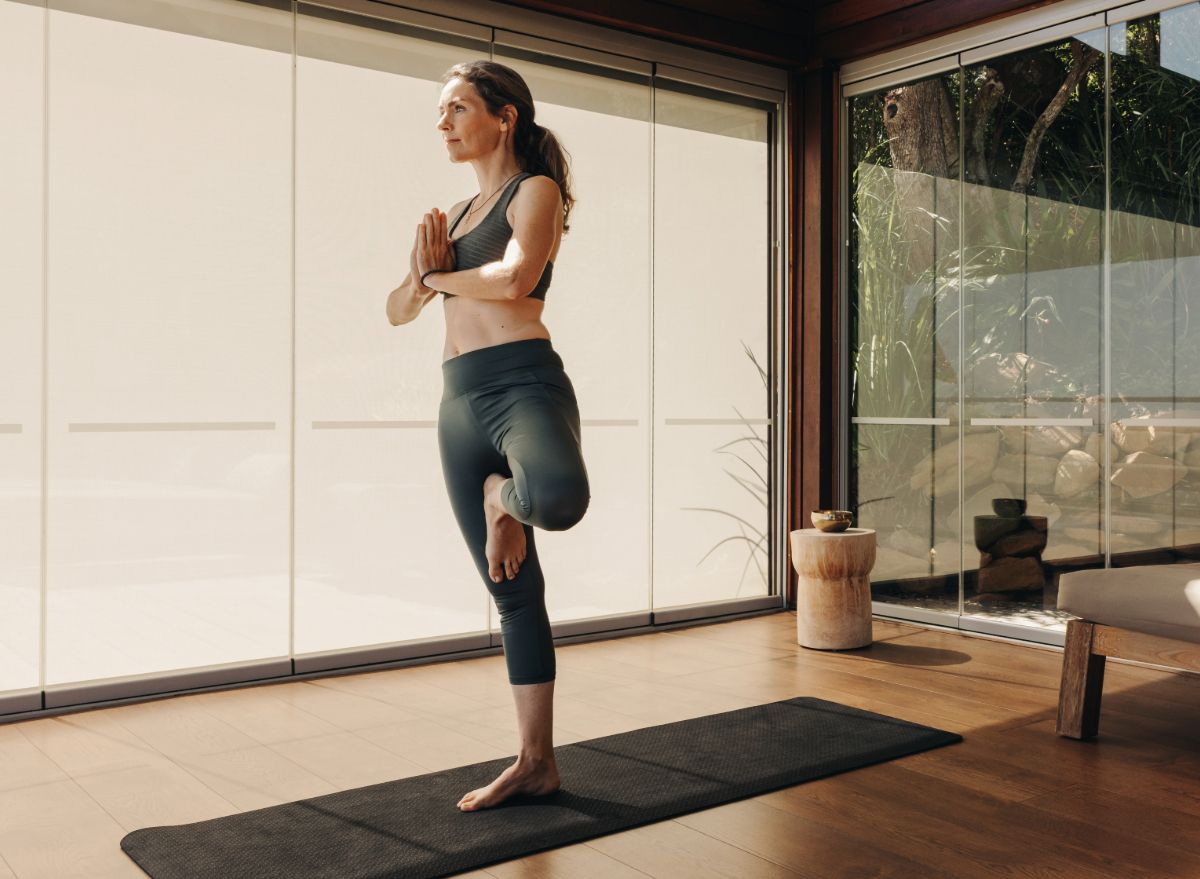
- Standing on one leg
- Walking heel to toe
- Stepping in different directions
- Controlled squats
- Step-ups
- Reaching exercises
- Single-leg strengthening exercises
As your balance improves, the exercises can be progressed to make them more challenging and functional.
Balance Training for Sport
Balance is not only important for preventing falls.
Athletes rely on balance every time they accelerate, change direction, jump, land, or control their body during sport.
Improving balance can enhance movement efficiency and body awareness while helping reduce the risk of some lower limb injuries. This is particularly important in sports that involve running, cutting, jumping, and landing.
Balance training is often included as part of rehabilitation following ankle sprains, knee injuries, and ACL reconstruction because it helps restore confidence and movement control.
How Physiotherapy Can Help
A physiotherapist can assess your balance and identify factors that may be contributing to reduced stability.
Your assessment may include:
- Standing balance
- Walking pattern
- Single-leg control
- Strength
- Joint mobility
- Functional movements
Based on your assessment, your physiotherapist will develop an individualised exercise program that matches your ability and goals. Exercises are progressed gradually as your confidence and balance improve.
When Should You Seek Advice?
You may benefit from a physiotherapy assessment if you:
- Feel unsteady when walking
- Have experienced a recent fall or near fall
- Notice your balance has changed
- Feel less confident walking on uneven ground
- Are recovering from an injury or surgery
- Want to improve your balance for sport or everyday activities
Early assessment can identify areas that may benefit from targeted exercise before they begin affecting your confidence or daily activities.
Takeaway
Balance is an important part of healthy movement at every stage of life. It supports everyday activities, improves confidence, and helps us move more efficiently during work, exercise, and sport.
Like strength and fitness, balance can be improved with regular training. A personalised exercise program can help reduce the risk of falls, improve stability, and make everyday movements feel easier.
If you would like to improve your balance or are recovering from an injury, the team at Physio Strong Albany can assess your movement and develop a program tailored to your individual needs and goals.