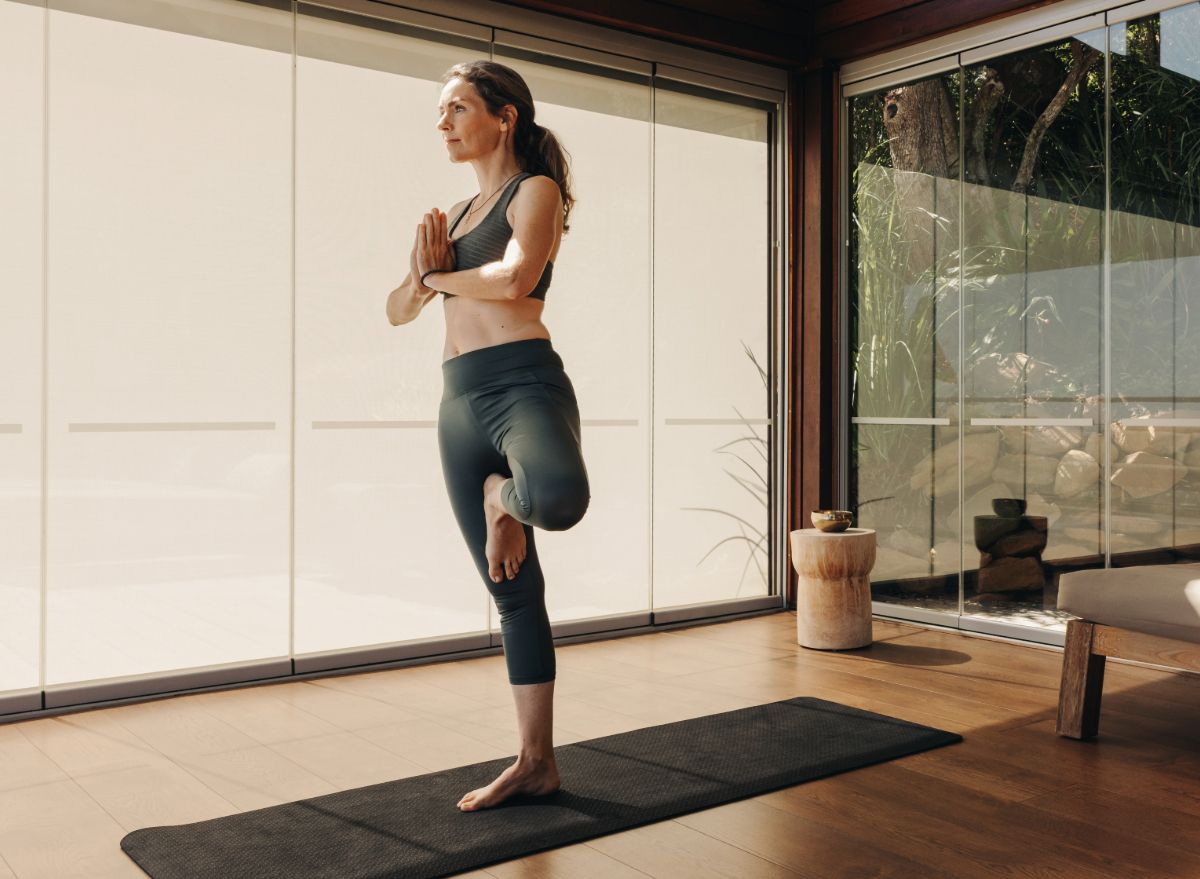
Your Guide to Safe and Effective Exercise During Pregnancy
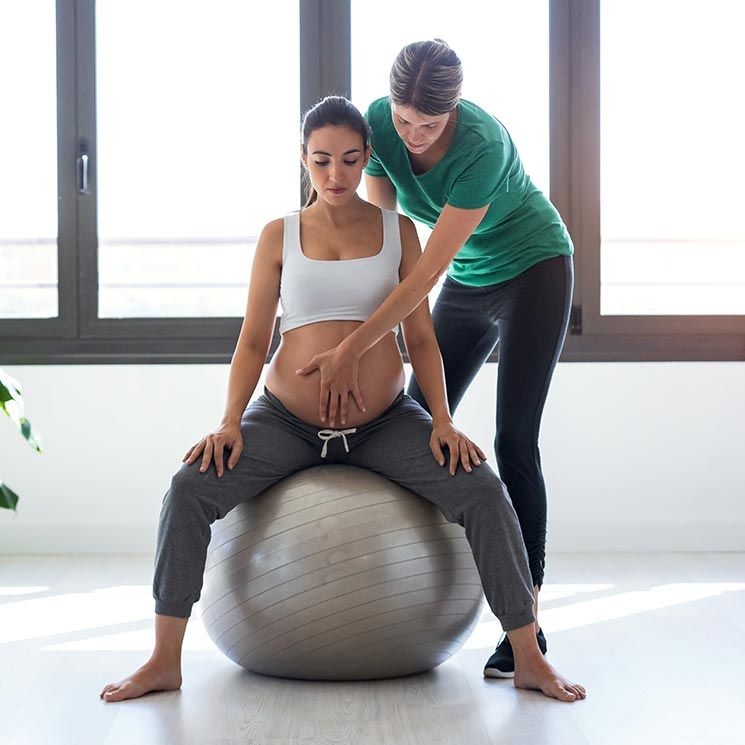
Exercise is not only safe during pregnancy, but it’s also strongly recommended for most expectant mothers. But with so much conflicting advice out there, it can be tough to know where to start. In this post, we’ll dive into the evidence-based recommendations for pregnancy exercise, highlighting which activities are most beneficial and how to safely stay active throughout your pregnancy journey.
Is exercise safe for everyone?
For women with uncomplicated pregnancies, exercise is considered safe and beneficial. However, if you have any complications or are unsure if exercise is appropriate for you, it is strongly advised you discuss exercise with your healthcare providers to ensure you are exercising safely for you and your baby.
How much should you exercise during p[regnancy?
As your body changes throughout pregnancy, staying active might seem challenging, but it’s often one of the best things you can do for your health.
The Royal Australian and New Zealand College of Obstetricians and Gynecologists (RANZCOG) recommends at least 150-300 minutes (2.5-5 hours) of moderate-intensity aerobic activity each week. This may include walking, cycling or swimming.
In addition, it is recommended that you participate in resistance training 2 days per week.
Please remember that doing any physical activity is better than doing none. If you are not physically active, you should start by doing a comfortable amount and then slowly build up to the recommended amount.
Why move? Benefits of exercise during pregnancy
Research shows that regular exercise during pregnancy can bring a host of benefits for both you and your baby:
- Lower Risk of Gestational Diabetes and therefore Type 2 Diabetes later in life.
- Can Ease Pregnancy Related Back and Pelvic Pain: If you are experiencing pain that is stopping you from being active, you may benefit from seeing a physio to assess the cause of your pain and to help you manage your pain and find exercises that feel good.
- Lower Your Risk of Incontinence: Pregnancy is a great time to start exercising your pelvic floor.
- Better mental health: Exercise releases feel-good endorphins, helping to combat fatigue and mood swings. Research shows exercise can help lower the risk of post-natal depression.
- Prepares You for Labor and Recovery: Exercises that build strength and endurance, like swimming or pilates, help prepare your body for the big day and your recovery afterwards.
- Good for Your Baby Too: Studies show that babies of active mums are more likely to be born at a healthy weight and develop stronger cardiovascular systems.
Tips for safe exercise during pregnancy
- Stay Hydrated: Pregnancy makes you extra prone to dehydration, so sip water before, during, and after exercise.
- Listen to Your Body: If something doesn’t feel right, stop. Pain, dizziness, or shortness of breath are your body’s way of saying, “Take a break!” Other signs to stop exercise and seek medical attention include:
o Chest pain
o Dizziness, feeling faint or headache
o Muscle weakness
o Calf pain, swelling or redness
o Sudden swelling of the ankles, hands or face
o Vaginal bleeding or amniotic fluid loss
o Decreased fetal movement
o Increased incontinence
o Uterine contractions or pain in the lower back, pelvic area or abdomen.
- Embrace Modifications: Choose exercises that feel comfortable and modify them as you need to.
- Consult Your Healthcare Team: Always check with your healthcare provider before starting or continuing an exercise routine.
When poregnant, you should skip:
- Lying on Your Back (after the first trimester): This can reduce blood flow to your baby. Modify exercises to side-lying or upright positions instead.
- Activities that have a High Risk of Falling, Collision or High Changes in Pressure including basketball, football, horseback riding and scuba diving.
- Intense heat and high humidity: Steer clear of hot yoga or overly warm environments and exercising in the heat.
- Exercises that Give You Pain or Discomfort
Should I see a Physiotherapist?
Our physiotherapists can help you to develop a program of exercises to help you stay active in your pregnancy.
They can also help you to manage your pregnancy related low back pain, pelvic girdle pain and other conditions that occur in pregnancy. If you are experiencing any pain or discomfort, we strongly recommend you make an appointment.
Physios can also provide guidance about completing pelvic floor exercises to help you to maintain continence after your baby arrives.
Movement is Medicine
Exercise is not only safe but recommended as an important part of maintaining your health while pregnant. Both cardiovascular and strengthening exercises are recommended for women who do not have complicated pregnancies. You should discuss exercise with your healthcare provider before starting a new program.
References and Useful Resources: If You Would like to Read More About Exercise During Pregnancy
Exercise during pregnancy handout (RANZCOG, 2024)
Guidelines for Physical Activity in Pregnancy (Australian Government Department of Health, 2021)
Pelvic floor health for expectant and new mums (Continence Foundation of Australia, 2022)