Understanding the ACL Injury and the Road to Recovery
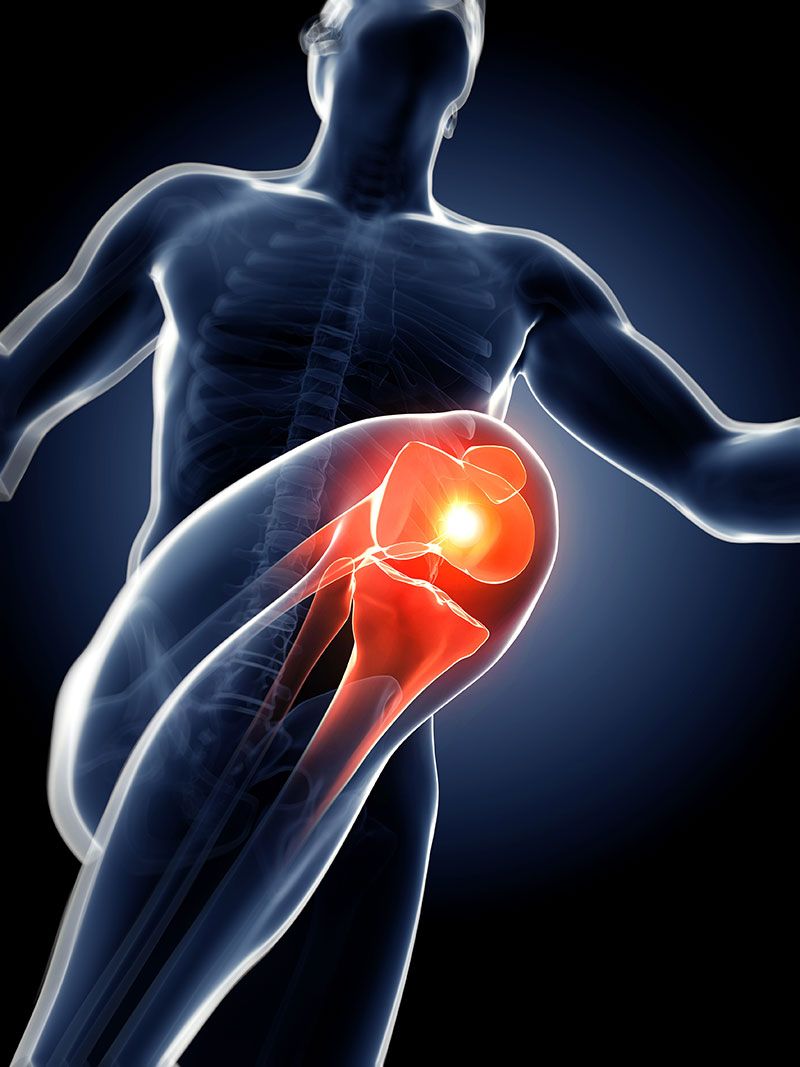
The ACL Small Ligament Big Job
Imagine this. You are running, you go to change direction, and suddenly pop your knee gives way. If you have experienced it or know someone who has, you understand how confronting an ACL injury can be.
The anterior cruciate ligament, or ACL, may be small, but it plays a huge role in keeping your knee stable. When it is injured, everything seems to stop except the rehab journey, which is only just beginning.
What Does the ACL Actually Do
The ACL is one of the main ligaments in the knee. Its job is to keep the shin bone from sliding too far forward and to help control rotation. It is especially important during movements like cutting, pivoting, jumping, and sudden stops.
This is why ACL injuries are common in sports such as soccer, basketball, netball, and skiing where quick changes in direction are part of the game.
How Do ACL Injuries Usually Happen
Most ACL tears do not come from contact. They usually happen when
Suddenly stopping or changing direction
Pivoting with a planted foot
Landing awkwardly from a jump
Hyperextending the knee
Direct contact injuries like tackles do happen, but they are less common.
Do You Always Need Surgery
Not necessarily. Surgery is not the only option for everyone. Some people, especially those who are not involved in high level pivoting sports, can function very well with rehab alone.
Research, including the well known KANON study, shows that with the right rehab approach, some people do just as well without surgery as those who have reconstruction. That said, many athletes still choose surgery due to ongoing instability or the goal of returning to competitive sport.
What Happens During ACL Surgery
ACL reconstruction involves replacing the torn ligament with a graft. This usually comes from
Your own hamstring or patellar tendon
A donor tendon
The procedure is done using keyhole techniques, but recovery is not instant. The new ligament needs months to heal, adapt, and become strong enough for sport.
Rehab Is the Long Game
ACL rehab is not a sprint. Returning to high level sport often takes nine to twelve months, sometimes longer. Rehab focuses on more than just the knee. It includes
Building strength, especially in the quads and hamstrings
Improving balance and body awareness
Retraining jumping, landing, and agility
Restoring confidence and trust in the knee
The mental side of recovery is just as important as the physical work.
The Risk of Reinjury
One of the biggest concerns after an ACL injury is tearing it again. Research shows that returning to sport too early, especially before nine months, significantly increases the risk. Athletes who complete a thorough and progressive rehab program can reduce their reinjury risk by up to fifty percent compared to those who rush back.
Can ACL Injuries Be Prevented
The good news is that many ACL injuries are preventable. Programs like FIFA 11+, PEP, and neuromuscular training focus on
Strengthening the legs and hips
Improving landing technique
Enhancing balance and movement control
These programs have been shown to reduce ACL injury risk by up to fifty percent.
Final Thoughts
An ACL tear is challenging both physically and mentally, but it is not the end of the road. Whether you choose surgery or rehab alone, the key is patience, consistency, and a structured plan.
The ACL may be small, but with the right approach, your comeback can be strong and confident.