Osteoporosis: A Guide to Stronger Bones
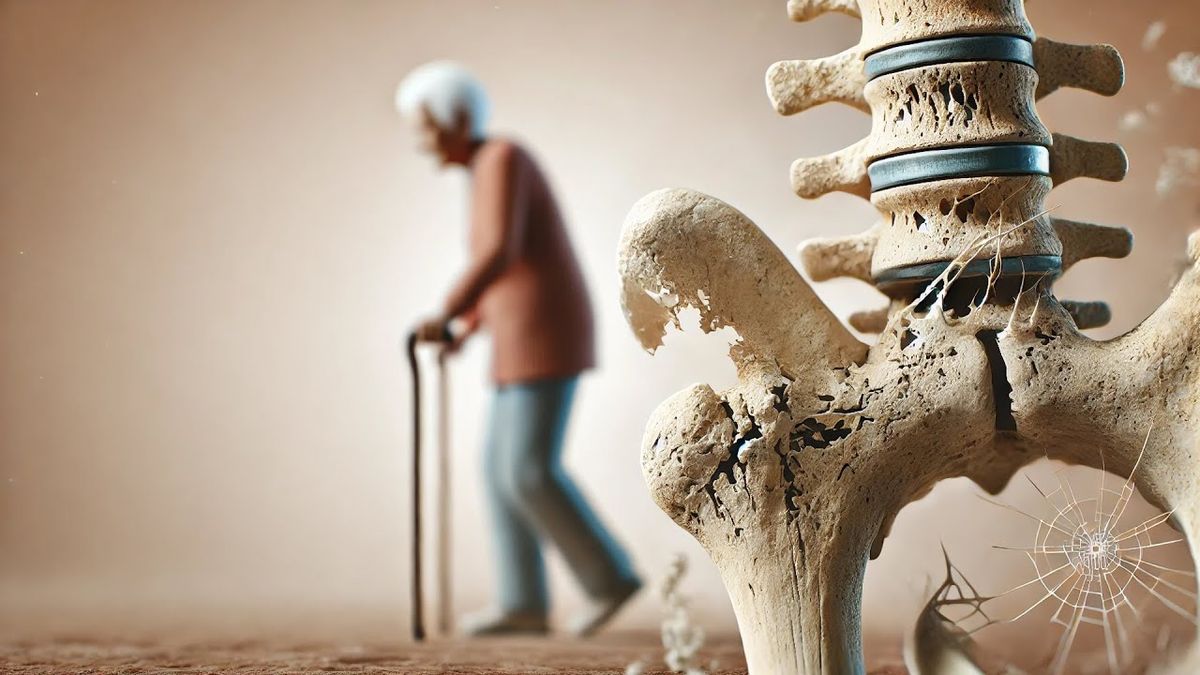
Osteoporosis is a condition where our bones are low in mass and density, making them weak, brittle and prone to fractures. It quite often goes undiagnosed as bone density reduces without any symptoms, until a break or fracture occurs.
What causes Osteoporosis?
Your bone cells go through a constant process of being broken down and replaced. When you are young your bones build more than they break down and as we age bone creation slows, and we break down more than you replace. This creates a gradual and normal\l loss of bone density. Osteoporosis occurs when your bone density reduces faster than the normal effect of ageing. You might be more susceptible to low bone density if your diet is low in calcium, your body has undergone significant hormonal changes or treatment regimes such as menopause or corticosteroids or you have a family history of low bone density.
Exercising for Bone Health
When you increase your activity levels your bones alter their shape and size in order to withstand the new load they are being placed under. Once the adaptation to a specific exercise or load occurs, the bones stop changing. To optimise bone health and stimulate positive bone adaptation with an exercise program it is important to incorporate variation with how the bones are loaded.
Best Exercise for Osteoporosis
Weight-bearing
Weight-bearing exercises allow the bones to remodel and adapt utilising gravity and body weight as loads. These exercises are typically more functional and some of them (like walking and step-ups) promote impact and generally have a high focus on strengthening bones in your back, hips and legs.
Resistance
The aim of resistance training is to strengthen the muscles, tendons and bones which support the body’s joints. It is important to have strong muscles for posture and balance to reduce the risk of falling. Resistance training at a high intensity is required to promote bone adaptation through muscle loading. If bone density is a concern, high-intensity training should be done under full supervision.
Balance
Training balance increases neuromuscular control and function of the lower limb. Training the body to maintain stability under a variety of conditions reduces the risk of falling.
If you are concerned about your bone density or if you have Osteoporosis, mention it at your next appointment so we can incorporate some exercises for bone health in your gym or home program.