Exercise and Type 2 Diabetes: A Powerful Prescription for Better Health
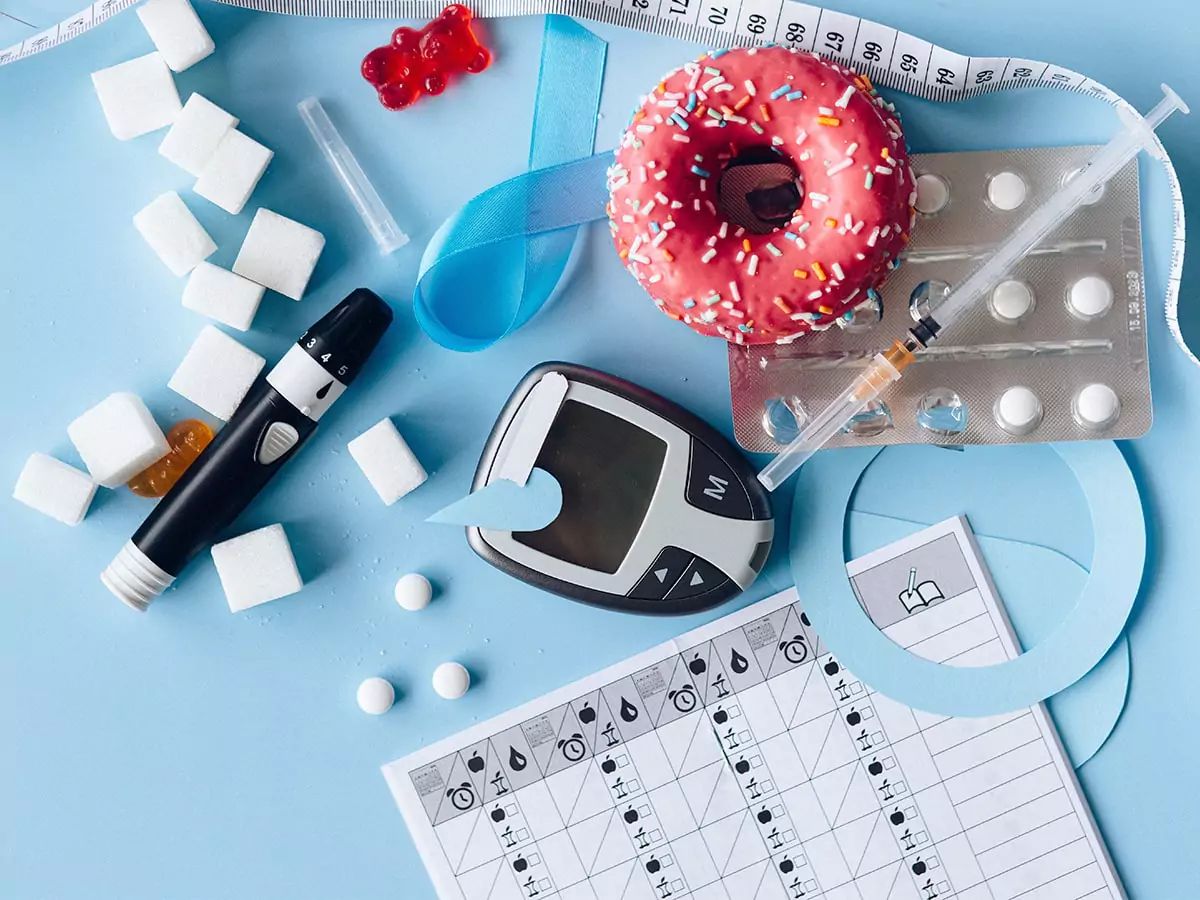
T2DM is often linked to lifestyle factors such as physical inactivity, poor diet, and excess body weight. However, genetics and age also play a role. While medications and insulin therapy are sometimes required, lifestyle intervention (especially exercise) is a first-line treatment.
Monitoring Blood Glucose Levels
Monitoring your blood sugar (glucose) levels helps you and your healthcare team manage Type 2 Diabetes and make the right treatment choices.
Blood Glucose Levels (BGLs):
These can be checked with a finger-prick device (glucometer) or a continuous glucose monitor (CGM).
HbA1c (Glycated Haemoglobin):
This is a blood test done by your doctor every 3–6 months. It shows your average blood sugar over the past 2–3 months.
Before and After Exercise:
If you’re on insulin or certain diabetes medications, it’s important to check your BGL before and after exercise.This helps reduce the risk of low blood sugar (hypoglycaemia) and makes sure you’re exercising safely.
We can help you understand your BGLs, plan safe exercise, and know when to adjust food, activity, or medications if needed.
How Does Exercise Help?
Exercise is a highly effective tool for improving both short-term blood glucose levels and long-term metabolic health.
- Increased insulin sensitivity: Physical activity enhances the ability of muscle cells to take in glucose, reducing the need for insulin.
- Lower blood glucose: Muscles use glucose as fuel during exercise, lowering circulating levels.
- Weight management: Exercise supports fat loss and helps preserve lean muscle mass, both critical in managing T2DM.
- Cardiovascular health: Reduces blood pressure, improves cholesterol, and lowers the risk of heart disease — a major complication of diabetes.
- Mental health: Regular activity reduces stress, anxiety, and depression — all of which can negatively affect diabetes control.
What is the best exercise for people with T2DM?
The most effective approach for exercising with T2DM is incorporating a combination of aerobic and resistance training.
Aerobic exercise: such as brisk walking, cycling, swimming, or dancing helps improve cardiovascular fitness and lowers blood sugar during and after the activity. Aim for around 30 minutes of moderate intensity exercise on most days.
Type 2 Diabetes Mellitus (T2DM) is a chronic condition where the cells are unable to respond correctly to insulin. This results in elevated blood glucose (sugar) levels, which over time can lead to complications affecting the cardiovascular system, kidneys, eyes, and nerves. is just as important. This type of exercise involves using your muscles to push or pull against resistance such as bodyweight exercises, resistance bands, or light weights. Strength training 2 to 3 times per week helps build muscle, which in turn improves how your body stores and uses glucose, while also supporting weight control and joint health.
The best exercise is the one you can do regularly and that works for your body, your goals, and your health status. An Accredited Exercise Physiologist can help you design a program that ticks all those boxes.
Exercise is not just about movement, it’s a powerful tool in managing diabetes. With the right support and guidance, you can improve your blood glucose control, reduce your risk of complications, and feel more in control of your health.