Start Smart, Finish Strong: The Netball Preseason Advantage
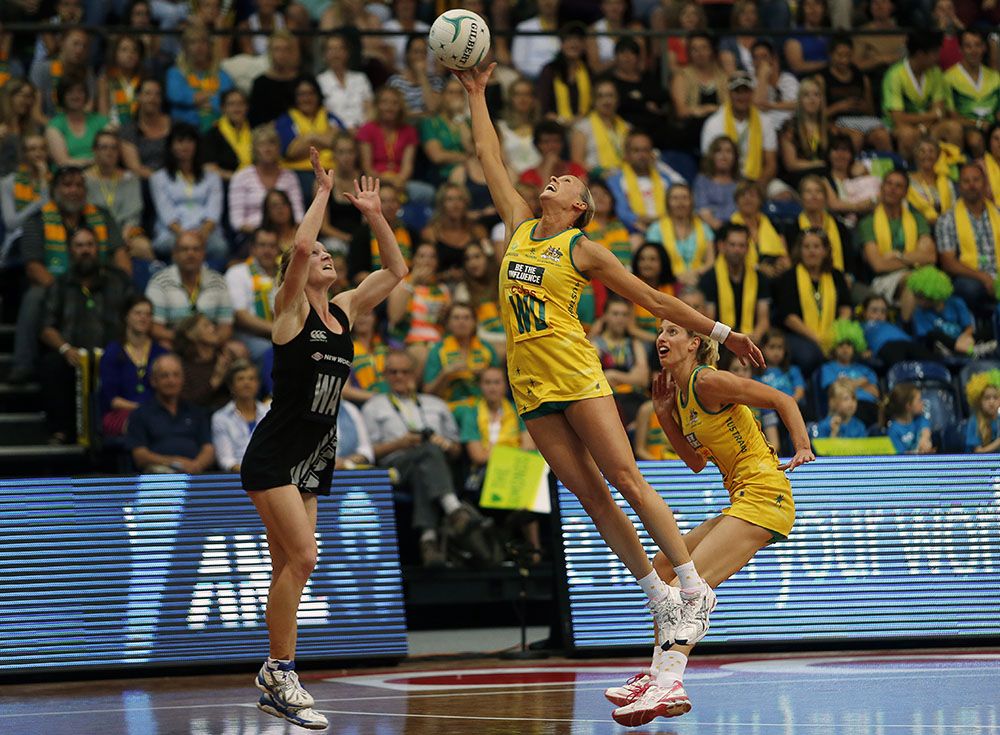
As Summer comes to an end, Winter sport preparation begins. Trials are happening, the courts are being swept, bibs are coming out of storage, and teams are starting to talk about combinations and goals again. The start of netball season is exciting, but it’s also one of the highest-risk periods of the year for injury.
After months of reduced training, social competition, or even complete time off, athletes suddenly return to high-intensity accelerations, rapid decelerations, repeated jumps, and sharp changes of direction. Netball is not a “jog around the court” sport. It’s explosive, reactive, and unforgiving on unprepared tissue.
Preseason isn’t just about fitness. It’s about durability.
Why Netball Demands Respect
Netball requires:
- Repeated maximal sprints over short distances
- High vertical and horizontal jump loads
- Frequent single-leg landings
- Sudden stops and pivots
- Contact and contest in tight spaces
Unlike continuous field sports, netball is built on rapid force production and absorption. Every time you land from a rebound or decelerate into the circle edge, your joints and connective tissues are absorbing multiple times your body weight.
If your body hasn’t been progressively prepared for that demand, something will usually give.
The Most Common Early-Season Injuries
The first six weeks of season typically bring:
- Ankle sprains (especially on contested landings)
- Knee ligament injuries, including ACL
- Patellar tendinopathy (“jumper’s knee”)
- Achilles tendon pain
- Calf and hamstring strains
- Lower back tightness from repeated extension and rotation
These injuries are rarely “bad luck.” They’re often load management problems.
Preseason: Build the Engine Before You Race
One of the biggest mistakes I see is athletes jumping straight into full match-play intensity without rebuilding their base
Preseason should progress in phases:
1. Capacity First
Before high-speed drills and full-court scrimmage, athletes need:
- General aerobic conditioning
- Basic lower limb strength
- Core control
- Calf and hamstring endurance
This phase builds tissue tolerance.
2. Strength Before Speed
Netball is a strength sport disguised as a skill sport.
Strong glutes, hamstrings, calves and quadriceps reduce joint load. Strong shoulders and upper back improve contest stability. If you cannot control your body in slow strength work, you will not control it at speed.
Key areas I prioritise:
- Single-leg strength (split squats, step-downs)
- Hamstring strength (RDLs, Nordic variations)
- Calf capacity (bent and straight knee)
- Landing mechanics
3. Controlled Plyometrics
Jumping should be reintroduced progressively:
- Double-leg landing control
- Single-leg landing drills
- Directional hops
- Reactive jumps
Quality before quantity. Silent, controlled landings reduce knee stress significantly.
Load Management During the First 6 Weeks
Even with a good preseason, early-season load spikes can catch athletes out.
Be cautious with:
- Doubling up on social and club competitions
- Increasing training volume and gym load simultaneously
- Ignoring niggles
Pain that settles within 24-48 hours is often load-related and manageable. Pain that lingers or worsens is a warning sign.
Your tendons adapt slower than your cardiovascular system. Just because you “feel fit” does not mean your Achilles agrees.
Warm-Ups Are Not Just a Formality
A structured warm-up should include:
- Gradual pulse increase
- Dynamic mobility
- Activation drills
- Progressive accelerations
- Landing rehearsal
Five minutes of static stretching and a quick pass-around is not sufficient for a high-intensity sport.
The Performance Payoff
Here’s the part athletes often overlook: injury prevention work improves performance.
Stronger athletes:
- Jump higher
- Accelerate faster
- Decelerate more efficiently
- Change direction with greater control
- Fatigue less late in games
Durability is a performance quality.
My Message to Players, Coaches and Parents
Preseason is not about punishment fitness sessions. It’s about preparation.
Invest 6–8 weeks in structured progression, strength development, and movement quality. Respect early warning signs. Prioritise recovery. Treat warm-ups as non-negotiable.
Netball is an incredible sport; explosive, strategic, skillful. But it rewards preparation and punishes shortcuts.
If you want to finish the season strong, you have to start it smart.